SEO Tools Demystified: Optimizing Your Content For Search Traffic

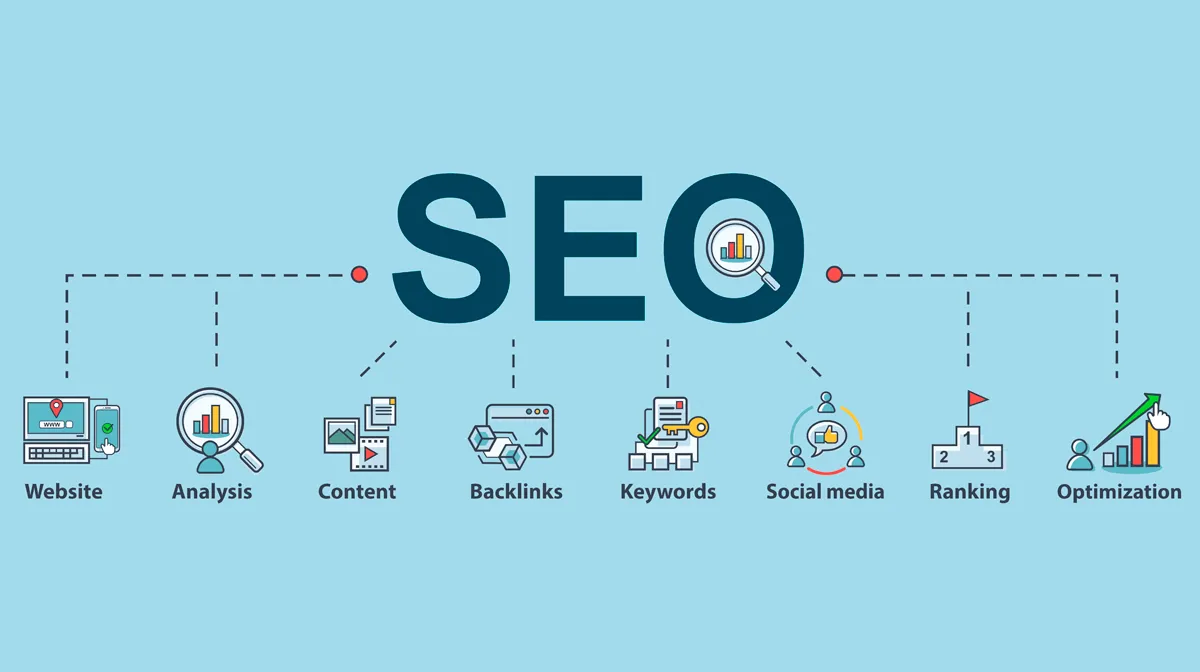
In the vast landscape of the internet, where countless websites compete for attention, search engine optimization (SEO) emerges as the beacon guiding your content towards visibility.
For any website owner or content creator, mastering the art of SEO is paramount to driving organic traffic and achieving online success. Thankfully, in this digital age, we have an arsenal of SEO tools at our disposal to streamline and enhance our optimization efforts.
In this blog post, we'll demystify some of the essential SEO tools and explore how they can help optimize your content for search traffic.
Understanding the SEO Toolkit
1. Keyword Research Tools:
Certainly! Let's expand on the importance and functionalities of keyword research tools:
Keyword research is the cornerstone of every successful SEO campaign. It's the process of identifying the specific words and phrases that people are using when searching for information online. By understanding the language of your target audience, you can tailor your content to align with their needs and preferences, thereby increasing your visibility and relevance in search engine results.
Keyword research tools play a pivotal role in this process by providing comprehensive insights into search trends, keyword volume, competition, and related terms. Here's how these tools empower you to optimize your content effectively:
a) Google Keyword Planner:
As one of the most widely used keyword research tools, Google Keyword Planner offers valuable data directly from Google's search engine. It provides insights into keyword search volume, competition levels, and suggested bid prices for paid advertising campaigns. Additionally, Google Keyword Planner offers keyword suggestions based on your input, helping you discover new opportunities for content optimization.
b) SEMrush:
SEMrush is a versatile SEO tool that offers robust keyword research capabilities. With SEMrush, you can conduct in-depth keyword analysis, including keyword difficulty, search volume trends, and competitor keyword rankings. The tool also provides insights into related keywords, long-tail variations, and semantic keyword groups, allowing you to uncover hidden opportunities and optimize your content for maximum impact.
c) Ahrefs:
Ahrefs is another powerful tool renowned for its comprehensive keyword research features. With Ahrefs, you can explore keyword search volumes, assess keyword difficulty scores, and analyze competitor keyword strategies. Ahrefs also offers insights into SERP features, such as featured snippets and related questions, enabling you to tailor your content to align with search intent and capture valuable organic traffic.
d) KeywordTool.io:
This tool provides keyword suggestions from various sources, including Google, YouTube, Bing, Amazon, and more. It helps uncover long-tail keywords and provides insights into keyword questions, prepositions, and comparisons. With KeywordTool.io, you can discover niche-specific keywords and optimize your content to address specific user queries effectively.
e) AnswerThePublic:
AnswerThePublic is a unique keyword research tool that generates keyword suggestions in the form of visualized data. It presents keyword ideas in the context of questions, prepositions, comparisons, and alphabetical listings, offering a comprehensive view of user search behaviour and intent. AnswerThePublic helps you identify content gaps and create valuable resources that address user needs and inquiries.
2. On-Page Optimization Tools:
Once you've identified your target keywords, it's crucial to optimize your content accordingly. On-page optimization tools like Yoast SEO (for WordPress users) or Moz's On-Page Grader offer real-time suggestions for improving your content's SEO-friendliness. From optimizing meta tags and headers to analyzing keyword density and readability, these tools ensure your content is finely tuned to rank higher in search engine results pages (SERPs).
On-page optimization is a critical aspect of SEO that focuses on optimizing individual web pages to improve their search engine rankings and attract organic traffic. Once you've identified your target keywords through thorough keyword research, it's essential to integrate them strategically into your content while ensuring the overall SEO-friendliness of your page. On-page optimization tools play a pivotal role in this process by providing actionable insights and recommendations for enhancing your content's visibility and relevance in search engine results pages (SERPs).
Here's how on-page optimization tools like Yoast SEO and Moz's On-Page Grader can help elevate your content:
a) Yoast SEO (for WordPress users):
- Yoast SEO is a popular WordPress plugin that offers a suite of on-page optimization features. It provides real-time feedback and suggestions as you create or edit content within the WordPress editor.
- One of Yoast SEO's key features is its content analysis tool, which evaluates various aspects of your content, including keyword usage, readability, meta tags, and internal linking.
- Yoast SEO also offers guidance on optimizing meta titles and descriptions, ensuring they are concise, and descriptive, and include your target keywords to improve click-through rates from search results.
- Additionally, Yoast SEO provides insights into technical SEO elements such as XML sitemaps, canonical tags, and schema markup, helping to enhance the overall crawlability and indexability of your website.
b) Moz's On-Page Grader:
- Moz's On-Page Grader is a comprehensive tool that evaluates the on-page optimization of individual web pages based on various factors that influence search engine rankings.
- The tool assesses key on-page elements such as title tags, meta descriptions, heading tags (H1, H2, etc.), image alt attributes, and keyword usage throughout the content.
- Moz's On-Page Grader provides actionable recommendations for improving each element based on best practices and SEO guidelines, helping you enhance your content's relevance and visibility.
- Additionally, the tool offers insights into technical aspects of on-page optimization, such as page load speed and mobile-friendliness, ensuring your content provides a seamless user experience across devices.
3. Link Building Tools:
Link building is a crucial component of any comprehensive SEO strategy, as it directly impacts a website's authority and visibility in search engine results. By acquiring high-quality backlinks from reputable websites, you signal to search engines that your content is trustworthy and valuable, thus improving your rankings. Link-building tools play a vital role in simplifying and optimizing the link acquisition process, allowing website owners and SEO professionals to build a robust backlink profile effectively.
a) Moz Link Explorer:
- Moz Link Explorer is a powerful tool that provides comprehensive insights into a website's backlink profile. It allows users to analyze their existing backlinks, including metrics such as domain authority, page authority, and spam score.
- With Moz Link Explorer, you can identify high-quality backlinks that contribute positively to your site's authority and rankings. The tool also offers competitive analysis features, enabling you to benchmark your backlink profile against competitors and uncover link-building opportunities.
b) Ahrefs' Site Explorer:
- Ahrefs' Site Explorer is another industry-leading tool for backlink analysis and research. It offers extensive data on a website's backlink profile, including the number of referring domains, backlink types, and anchor text distribution.
- Site Explorer's advanced features allow users to perform in-depth competitor research, identify top-performing content in their niche, and uncover potential link-building opportunities. By leveraging Ahrefs' vast database of backlink data, users can develop a strategic approach to link acquisition and improve their website's SEO performance.
c) Pitchbox:
- Pitchbox is an outreach automation platform designed to streamline the process of building relationships with webmasters and securing valuable backlinks. It offers features such as email outreach templates, personalized follow-ups, and automated outreach scheduling.
- With Pitchbox, users can efficiently manage outreach campaigns, track communication with prospects, and measure the success of their link-building efforts. The platform's intuitive interface and workflow automation capabilities make it an indispensable tool for scaling link-building campaigns and maximizing results.
d) BuzzStream:
- BuzzStream is another popular outreach and link-building tool that helps users manage relationships with influencers, bloggers, and webmasters. It offers features such as contact management, email tracking, and customizable outreach templates.
- BuzzStream's CRM-like interface allows users to organize and track outreach efforts effectively, ensuring no opportunity is overlooked. The tool also provides insights into prospect engagement and link placement, enabling users to optimize their outreach strategy for better results.
4. Content Optimization Tools:
Creating high-quality, engaging content is essential for attracting and retaining visitors. Content optimization tools like Surfer SEO and Clearscope leverage data-driven insights to optimize your content for both search engines and human readers. From analyzing top-ranking content to providing recommendations for keyword usage and content structure, these tools elevate the quality and relevance of your content, increasing its likelihood of ranking prominently in search results.
Putting the Tools to Work
Now that we've acquainted ourselves with these SEO tools, let's explore how to effectively integrate them into our content optimization workflow:
1. Keyword Research Phase:
Start by conducting thorough keyword research to identify relevant and high-traffic keywords related to your content topic.
2. Content Creation:
Utilize on-page optimization tools to optimize your content structure, meta tags, and keyword usage based on the insights gleaned from your keyword research.
3. Link Building:
Actively pursue opportunities to build quality backlinks to your content by leveraging link building tools and engaging in strategic outreach efforts.
4. Continuous Optimization:
Regularly monitor your content's performance using analytics tools like Google Analytics and Search Console. Adjust your optimization strategy based on performance data and emerging trends in search behavior.
By leveraging these SEO tools effectively, you can optimize your content for search traffic, improve your website's visibility, and ultimately drive more organic traffic to your site. Remember, SEO is an ongoing process, and staying updated with the latest tools and techniques is key to staying ahead in the ever-evolving digital landscape.
In the realm of digital marketing, SEO reigns supreme as the cornerstone of online success. With the aid of advanced SEO tools, the once-daunting task of optimizing your content for search traffic becomes more manageable and effective. By harnessing the power of keyword research, on-page optimization, link building, and content optimization tools, you can propel your content to the top of search engine results pages, capturing the attention of your target audience and driving meaningful organic traffic to your website. Embrace the tools, refine your strategy, and watch your online presence soar to new heights.
Recent Blogs
-

How to Fix Common Grilling Problems Before They Ruin Your Cookout
-

How to Find Reliable Babysitting Opportunities and Childcare Support
-

What Is Remineralizing Gum & How It Works for Stronger Teeth
-

Why Your Neck Tension Isn’t Just a Pain—It’s a Signal
-

Ignite Your Saber Skills with Stunning Lights and Power